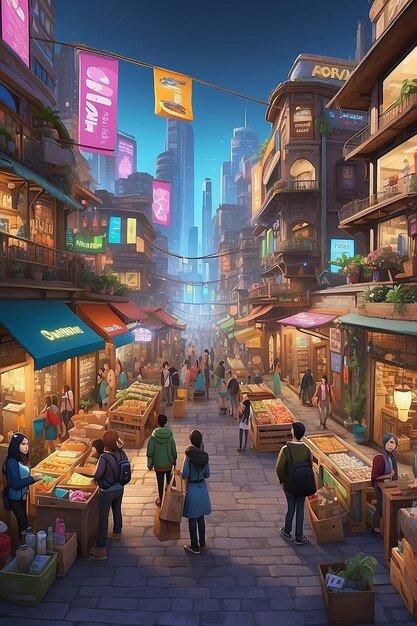
The pixels you see, the skins you wear, the virtual land you own—these aren't just digital window dressing anymore. What began as playful customizations for our Monetization & Virtual Goods for Blue Avatars has rapidly evolved into a sophisticated digital economy, transforming intangible assets into genuine investments. Welcome to a new era where your digital presence holds tangible value, and your virtual identity can be a source of significant wealth.
At a Glance: Your Digital Assets & Why They Matter
- Virtual goods are real assets: From character outfits to virtual land, these items now have demonstrable financial value beyond mere aesthetics.
- Blockchain is key: It secures ownership, makes items transferable, and creates verifiable rarity, legitimizing virtual goods as investments.
- Identity & Status: Virtual items are powerful symbols of self-expression, success, and social standing in online communities.
- Monetization Potential: Thriving secondary markets allow for trading, resale, and speculation, turning virtual items into liquid assets.
- Creator Economy Boom: Platforms like Zepeto empower designers to earn substantial income from virtual fashion and accessories.
- Strategic Growth: Major brands are investing heavily, recognizing the massive potential in avatar customization and immersive fashion.
From Pixels to Portfolios: The Rise of Digital Investments
Not long ago, spending money on a digital sword or a character outfit felt like throwing cash into the ether. Today, that perception has flipped entirely. The digital world is no longer just a playground; it's a bustling economy where billions are exchanged annually. Online games, metaverse platforms, and virtual communities have forged new financial frontiers, redefining what we understand as an "asset."
Think of the weapon designs, character outfits, virtual land plots, and branded accessories your digital self might acquire. These aren't just cosmetic enhancements. They're increasingly recognized as legitimate assets with real financial value, driven by a profound shift in consumer behavior and a deeper understanding of digital identity. When you invest in your Everything about Blue Avatar, you're not just enhancing an image; you're building a potentially valuable part of your digital portfolio.
The Seismic Shift: Why Virtual Goods Gained Real Value
The transition from digital trinket to tangible investment hasn't happened overnight. It's the culmination of several powerful forces:
- Digital Identity Matters: Our online presence is often as important as our physical one. Avatars are extensions of ourselves, and customizing them is a form of self-expression and social signaling.
- Community & Culture: Online communities foster strong connections, and unique virtual items act as cultural touchstones, status symbols, and conversation starters.
- Technological Advancements: Specifically, blockchain technology has provided the missing piece for verifiable ownership and transferability, fundamentally changing the game for understanding the virtual goods economy.
Blockchain: The Bedrock of Digital Ownership and Investment
The true revolution in virtual goods transforming into real investments hinges on one technology: blockchain. Traditional in-game purchases were often locked to a specific platform or account, lacking true ownership in the way we understand it in the physical world. If a game studio shut down, your purchased items could vanish. Blockchain changes everything.
Unlike those traditional purchases, blockchain-backed items are:
- Verifiable: Every item has a unique, transparent record on a public ledger. You can prove you own it.
- Secure: The decentralized nature of blockchain makes these records incredibly difficult to tamper with.
- Transferable: Ownership can be securely transferred between individuals, often outside the original platform.
This trifecta of features provides clear proof of ownership, allowing digital assets like rare game skins, virtual land, and branded collectibles to exist independently. They become tradable items with significant financial value, empowering users to truly own and profit from their digital acquisitions. This is why the cosmetics marketplace, for instance, has surged, facilitating activities like betting on CSGO skins or trading rare NFT art. Understanding the power of blockchain in digital ownership is essential for navigating this new economic landscape.
More Than Cosmetics: Virtual Goods as Cultural & Social Currency
Beyond their emergent financial value, virtual goods serve as powerful cultural and social symbols. They are extensions of self-expression and markers of status within online communities, much like luxury items in the physical world. Imagine a rare avatar skin or an exclusive in-game item – these aren't just pretty pictures. They can symbolize:
- Success and Achievement: Owning a specific item might denote victory in a challenging game or participation in an exclusive event.
- Personal Identity and Aesthetics: Your avatar’s appearance is a canvas. Unique items allow individuals to define and refine their online persona, setting them apart.
- Social Standing: Flaunting rare or expensive virtual assets demonstrates dedication, taste, or financial status, elevating an individual's standing within a digital community.
Influencers, streamers, and esports professionals play a significant role here. By showcasing coveted items to large audiences, they reinforce their value, elevate their personal brands, and set trends. Virtual items offer individuals unparalleled freedom to sculpt and project their online identity, making them not just assets, but integral parts of our digital selves. This deep connection between items and self is central to how avatars shape digital identity and expression.
The Lucrative World of Monetization: Turning Pixels into Profit
The potential for virtual goods to go beyond personal enjoyment and generate profit is immense. Gamers and digital citizens are increasingly considering the resale or trade potential of their digital possessions. The rise of thriving secondary markets, often powered by blockchain and NFTs, has transformed virtual items into genuinely liquid assets. Rare skins, unique weapons, and limited-edition collectibles regularly sell for hundreds, thousands, or even hundreds of thousands of dollars.
This monetization potential, whether through peer-to-peer trading, direct sales on marketplaces, or speculative investment, highlights the growing significance of the virtual economy as a serious counterpart to traditional markets. Developers are keenly aware of this trend, actively building robust marketplaces and ecosystems within their platforms to foster a dynamic flow of value between users and the platform itself. This creates a win-win: users can profit from their engagement, and developers benefit from a more engaged and invested user base. For creators, this opens up entirely new revenue streams, making advanced monetization strategies for creators a hot topic.
Case Study: Zepeto—Pioneering Virtual Fashion & Creator Wealth
To understand the practical application of this digital economy, let's look at Zepeto, a virtual fashion platform that vividly illustrates the power of avatar customization and virtual goods monetization. With over 300 million global users, primarily Gen Z, Zepeto is a bustling hub where digital identity is paramount, and virtual fashion is king.
The immersive fashion market is exploding, projected to surge from $2.97 billion in 2025 to approximately $6.74 billion by 2029, boasting an impressive 22.7% compound annual growth rate (CAGR). This isn't just about indie designers anymore; major brands like Gucci, Nike, and Disney have already partnered with Zepeto, offering branded virtual outfits and accessories. This underscores the enormous potential in avatar customization and in-app purchases targeting the digitally savvy Gen Z audience.
What's truly exciting is the opportunity for creators. Virtual fashion designers on Zepeto are reportedly earning six-figure revenues, a testament to the platform's robust creator economy. If you have a flair for design and an understanding of digital trends, this could be your next lucrative venture. This platform gives us a glimpse into the exciting future of digital fashion.
Your Blueprint for Zepeto Monetization: From Concept to Cash
Ready to turn your design skills into digital assets on Zepeto? Here’s a practical guide to monetizing your virtual creations:
1. Join the Zepeto Creator Program
This is your first official step into the Zepeto economy.
- Create Your Designer Profile: Set up a comprehensive Zepeto designer profile and portfolio that showcases your unique style and vision. Think of it as your digital resume for the platform.
- Master Zepeto Studio Tools: Dedicate time to learning Zepeto Studio, including their specialized 3D modeling software. Proficiency here is crucial for high-quality designs.
- Submit Your Best Work: When applying for the Creator Program, curate and submit your strongest pieces. Highlighting your 3D modeling expertise will expedite approval and position you to earn a percentage of sales from your outfits, accessories, or avatar upgrades.
2. Design Tips to Attract Users and Boost Earnings (2025 Outlook)
Successful designers aren't just talented; they're strategic.
- Stay Ahead of Trends: Gen Z fashion is dynamic. Regularly browse popular designs on the Zepeto marketplace, follow fashion influencers, and even observe real-world trends to inform your creations. What's hot on TikTok could be your next big seller.
- Focus on Exclusivity: Scarcity drives demand. Create limited-edition collections or offer rare items for a short period. This generates urgency and excitement, potentially driving up prices and sales.
- Create Personalized Experiences: Don't just design for the masses. Tailor some designs to niche avatars, specific seasons, or special occasions. Think holiday-themed outfits, fan-club gear, or custom designs for virtual events. This makes users feel seen and encourages deeper engagement.
3. Cross-Promotion and Visibility Strategies
Even the best designs need an audience.
- Leverage Social Media: Share your Zepeto designs extensively on platforms like Instagram, TikTok, and Snapchat. Use engaging visuals, behind-the-scenes content, and calls to action to attract followers and potential buyers to your Zepeto store.
- Collaborate with Influencers: Partnering with Zepeto influencers or those with a strong Gen Z following can significantly boost your visibility. An influencer showcasing your designs to their audience can translate into massive digital foot traffic and sales.
- Utilize Virtual Events: Host virtual launch parties, fashion shows, or themed gatherings directly within the Zepeto platform. These events can generate immense buzz, attract users looking for new content, and provide an interactive way to showcase your latest collections.
Navigating the Digital Wild West: Risks and Rewards
While the opportunities for monetization are vast, it's crucial to approach the virtual goods economy with a clear understanding of both its potential and its pitfalls.
Common Misconceptions to Avoid:
- "All virtual goods will appreciate in value." Not true. Just like physical collectibles, value is driven by rarity, demand, utility, and cultural relevance. Many items will remain purely cosmetic.
- "It's just gambling." While some activities (like CSGO skin betting) resemble gambling, the underlying market for unique virtual goods and NFTs is a legitimate asset class with clear ownership and market dynamics.
- "Digital assets are immune to market volatility." Far from it. The virtual economy is often more volatile than traditional markets due to its nascent stage, speculative nature, and reliance on technological trends.
Key Considerations for Aspiring Digital Investors and Creators:
- Do Your Research: Understand the platform, its user base, and the market dynamics of the specific virtual goods you're interested in.
- Security First: Always use secure platforms and be vigilant against scams. Blockchain's security is only as strong as your own practices (e.g., safeguarding private keys).
- Understand Ownership: Differentiate between in-platform licenses and true blockchain-backed ownership (NFTs). The latter provides more robust rights.
- Community Engagement: For creators, building a loyal community around your designs is just as important as the designs themselves. For investors, understanding community sentiment can signal trends.
- Regulatory Landscape: Be aware that the regulatory environment for digital assets and cryptocurrencies is still evolving and can impact value and usability.
The Next Frontier: Your Digital Legacy
The world of Monetization & Virtual Goods for Blue Avatars is no longer a niche curiosity; it's a rapidly expanding digital frontier. Whether you're a gamer looking to monetize your prized possessions, a designer dreaming of a six-figure virtual fashion empire, or an investor seeking the next big digital asset, the opportunities are abundant.
By understanding the underlying technology of blockchain, recognizing the deep cultural significance of digital identity, and strategically approaching creation and investment, you can carve out a valuable place in this evolving economy. Your next digital purchase might just be your smartest investment yet, shaping not only your online persona but your financial future in an increasingly interconnected virtual world.