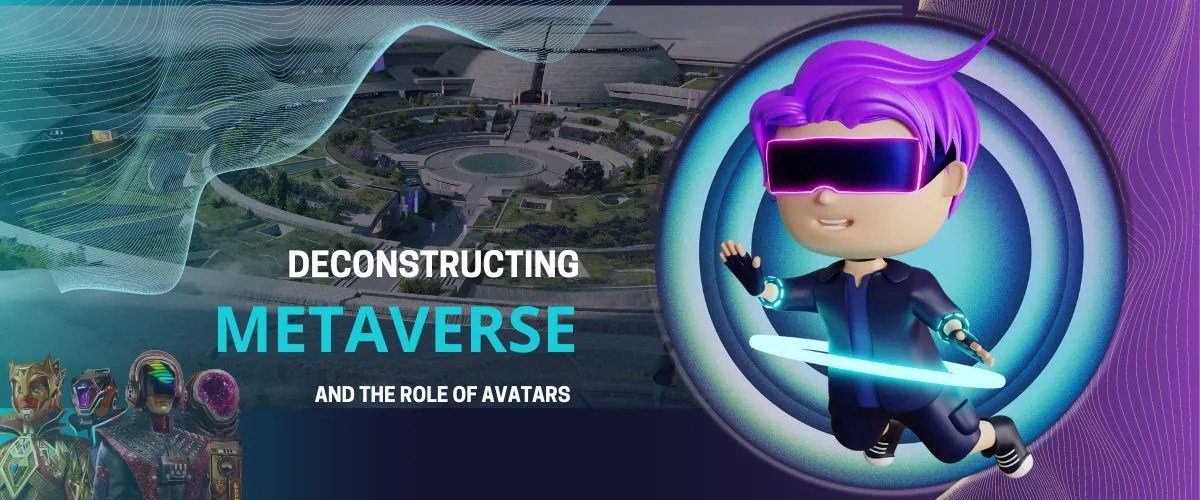
In the rapidly evolving digital landscape, our online personas are no longer just static profile pictures or usernames. They are vibrant, customizable, and increasingly sophisticated representations of ourselves, capable of traversing virtual worlds and fostering genuine connection. Enter the realm of Blue Avatars in Gaming & Metaverse, where your digital self isn't just an extension but a driving force behind your online identity.
Imagine stepping into a virtual concert, a business meeting, or an epic gaming adventure, not as a faceless participant, but as a fully realized digital twin—or perhaps, an entirely new creation. These "blue" avatars, signifying a distinct, often branded or highly personalized digital presence, are transforming how we interact, play, and even work across the metaverse. They're more than mere pixels; they're the embodiment of your chosen identity in a boundless digital frontier.
At a Glance: Your Digital Self in the Metaverse
- Your Digital Mirror: Avatars are your graphical stand-ins, representing you in virtual spaces, tied to your digital identity.
- Freedom to Be You (or Someone Else): They offer unparalleled privacy, a chance to experiment with identity, and an immersive "in-person" feel from home.
- A Spectrum of Selves: From cartoonish Bitmojis and realistic Memojis to voxel-based Meebits and full-body VR representations, there's an avatar for every expression.
- Customization is Key: Personalize everything from body shape and skin tone to clothing and unique accessories to reflect your true (or aspirational) self.
- Beyond Gaming: Avatars are increasingly vital for professional interactions, virtual events, and brand representation in the metaverse.
- The Power of Connection: They facilitate seamless social interaction, community building, and deeper engagement in virtual worlds.
- Embracing the "Blue": This isn't just about a color; it's about crafting a distinctive, memorable, and often branded digital identity that truly stands out.
Unpacking the Avatar: More Than Just a Pretty Face
At its heart, an avatar is your graphical representation in a digital space. Think of it as your digital twin, or perhaps your digital alter ego, a personalized puppet you control that enables seamless interaction and bestows a tangible sense of identity within virtual environments. These aren't confined to a single game or platform; a well-designed avatar can transition between different virtual worlds, carrying your chosen appearance and personal touch with it.
From the fantastical creatures of your wildest dreams to a photorealistic mirror of your real-world self, avatars know no bounds. They can be human, animal, inanimate objects, or something entirely alien—the canvas is yours to paint. Their core purpose? To allow you to exist, interact, and express yourself in the metaverse, fostering a feeling of presence that goes far beyond a text chat or a static profile picture.
Why Your Blue Avatar Isn't Just a Game Piece: The Deep Dive into Digital Identity
The impact of avatars stretches far beyond mere aesthetics; they fundamentally reshape our digital identities and how we experience the internet. Your "blue" avatar, representing a consciously chosen and distinct persona, brings a host of compelling advantages to the virtual table.
- A Shield of Privacy: In an age of constant surveillance and information overload, avatars offer a welcome layer of anonymity. You can participate in online events, meetings, or social gatherings without revealing your physical self, providing a sense of comfort and security. This allows for more authentic engagement, freeing you from the self-consciousness often associated with real-time video feeds.
- The Immersive "In-Person" Experience, From Home: Forget static webinars. With an avatar, you're not just watching; you're there. Whether it's a virtual conference or a concert, your avatar allows you to move, interact, and feel present as if you were physically in the room. This transforms passive consumption into active participation, making digital experiences richer and more memorable.
- A Playground for Identity Exploration: Perhaps one of the most liberating aspects of avatars is the chance to explore and experiment with identity. Want to know what it feels like to be a towering warrior, a whimsical pixie, or a fashion icon? Your avatar is your vessel. This experimentation isn't just for fun; it can be a powerful tool for self-discovery, allowing you to try on different facets of yourself without real-world consequences.
- Enjoyable, Interactive Participation: Avatars breathe life into interactions. Instead of typing messages, you can gesture, nod, or even dance. This enhances communication, adds layers of non-verbal cues often missing in online interactions, and makes every encounter more dynamic and genuinely enjoyable. It transforms sterile digital spaces into vibrant, living communities.
However, it's worth noting the current technological limitations. While rapidly advancing, conveying the full spectrum of nuanced human facial expressions and subtle body language through avatars can still be challenging. But every day, new innovations push these boundaries, bringing us closer to truly lifelike digital interactions.
The Many Faces of You: Exploring the Diverse Landscape of Avatars
Just as there are countless ways to express yourself in the physical world, the metaverse offers an astonishing array of avatar types, each suited for different platforms and purposes. Your "blue" avatar could manifest in any of these forms, reflecting its unique design and identity.
Everyday Companions: App-Based Avatars
These are often your first foray into personalized digital representations, easy to create and integrated into familiar platforms.
- Bitmojis: These highly customizable, cartoon-like avatars are ubiquitous across social media and messaging apps like Snapchat, iChat, and GChat. They're excellent for quick reactions and adding a personal touch to everyday communications, focusing on simple customizations like clothing changes.
- Memojis: Apple's answer to personalized avatars, Memojis leverage Face ID technology to create strikingly accurate facial matches. Available within Apple's SMS app, they can mirror your realistic facial features, adding a personalized flair to your messages and FaceTime calls.
- Friendmoji: Taking Bitmojis a step further, Friendmojis combine two individual Bitmojis to depict two people interacting. While often only showing faces, they're a fun way to represent shared moments and social connections in a lighthearted, expressive manner.
- Microsoft Metaverse Avatars: Designed with professionalism in mind, Microsoft's avatars are reminiscent of Sims characters but tailored for corporate use. They allow users to attend virtual meetings in Teams, offering the option to conceal one's face while still maintaining a professional and present persona.
- Facebook Codec Avatars: Pushing the boundaries of realism, Facebook's (now Meta's) Codec Avatars are notoriously more lifelike than previous types. These advanced avatars aim for hyper-realistic renderings, moving closer to the goal of true digital twins.
The Cutting Edge: Crypto and NFT Avatars
Beyond traditional platforms, blockchain technology is giving rise to a new generation of avatars that offer true digital ownership and unique value. These often represent a significant investment and a strong statement of digital identity.
- CryptoPunks: One of the earliest and most iconic examples of NFT-based avatars. These 24x24 pixel art images became a cultural phenomenon, pioneering the concept of digital scarcity and ownership, with certain "punks" selling for millions.
- Meebits: Created by Larva Labs (the same team behind CryptoPunks), Meebits are 3D voxel-based avatars. Rendered in voxels (pixels with volume), they boast a distinctive square-like appearance. Their 3D nature makes them highly versatile for integration into various metaverse games and even for use in augmented reality (IRL-verse) experiences.
- Avastars: These are NFT-based avatars that users can generate and customize even before purchase. Known for their unique aesthetic, often described as "creepy dolls" or fitting the "unicorn aesthetic" popular in the Ethereum community, Avastars offer another layer of digital ownership and creative expression.
Immersive Experiences: VR and 3D Avatars
These types of avatars are designed to maximize presence and interaction within fully immersive virtual worlds, providing a deeper sense of embodiment.
- VR Avatars (Virtual Reality Avatars): Primarily used by VR users, these avatars provide a first-person perspective. Due to limitations in current tracking technology, they often focus on the upper torso and arms, sometimes lacking lower body representation. Advanced VR avatars incorporate face-tracking to convey expressions. Examples include Meta’s Horizon Worlds, Microsoft’s AltspaceVR, and Spatial.
- 2D Avatars: The earliest and simplest forms, appearing as flat, picture, or pixel-based representations. Common in 2D environments, they're reminiscent of player characters in classic 8 or 16-bit video games, providing a fundamental visual identity.
- 3D Avatars: Offering a fully humanoid form viewable from multiple angles, 3D avatars provide a more immersive and realistic experience. They can display intricate details like hair textures, skin tones, and clothing folds, significantly enhancing realism over their 2D counterparts.
- Full Body Avatars: These represent the pinnacle of avatar immersion. Utilizing motion capture sensors, they replicate the user’s entire body movements, including intricate leg movements. Requiring specific hardware, full body avatars offer unparalleled mobility, realism, and immersion, ideal for gaming, virtual reality experiences, combat simulations, and immersive concerts.
- Leg-less Avatars: A practical subset of 3D VR avatars, intentionally designed without legs. This approach can reduce system requirements, address potential height discrepancies between users and their avatars, or simply accommodate the absence of leg sensors. Users navigate these virtual spaces via floating or hovering motions, a common sight in early VR worlds.
- Human-like Avatars: These avatars aim for near-perfect replication of real-life individuals. They meticulously replicate human features, facial expressions, body proportions, and movements, facilitating a seamless and intuitive transition between our physical and virtual selves.
Crafting Your Blue Avatar: Customization and Unique Features
The real power of avatars, especially your distinctive "blue" persona, lies in the deep customization they offer. This isn't just about picking a preset; it's about meticulously designing a digital self that resonates with your identity, preferences, or even your brand. Visit the Blue Avatar hub to explore more about how these unique digital identities are shaping the metaverse.
- Customizable Avatars: This is where the magic happens. Users aren't stuck with generic options; they can meticulously create and personalize their avatars to reflect unique identities and preferences. From hair color and eye shape to clothing, accessories, and even subtle facial details, the level of control is vast and growing. This empowers individuals to truly own their digital representation.
- Seamless Social Interaction: Avatars transform communication. They enable seamless communication and socializing with other users, moving beyond text and voice. When your avatar can nod, gesture, and express emotion, interactions become richer, more nuanced, and significantly more human.
- Exploration of Virtual Environments: Your avatar is your passport to diverse and immersive virtual worlds. Whether you're navigating a bustling futuristic city, exploring an ancient ruin, or simply relaxing in a serene digital garden, your avatar is your active participant, allowing you to fully engage with your surroundings.
- Virtual Events and Gatherings: From sprawling virtual conferences to electrifying concerts and intimate gatherings, avatars facilitate active participation. You can network with colleagues, mingle with friends, or simply enjoy the spectacle, all while maintaining your chosen digital persona. This unlocks new possibilities for large-scale, engaging online events.
Professional Presence: Avatars in Business and Corporate Worlds
The metaverse isn't just for gaming and social fun; it's rapidly becoming a new frontier for business and professional interaction. Your "blue" avatar, crafted with a professional demeanor, can significantly enhance your corporate presence.
Avatars provide a professional representation, enhancing credibility and fostering trust in virtual meetings, presentations, and networking events. Imagine a global team meeting where everyone feels present and engaged, regardless of their physical location.
Several innovative methods are emerging to project real individuals into the metaverse, blurring the lines between the physical and digital:
- Mixed Reality-Enabled Headsets: Platforms like Microsoft HoloLens or Meta Quest (with pass-through technology) merge your real-life appearance with the metaverse. These headsets can display live video feeds of individuals within a virtual environment, allowing for a hybrid experience where you see both the digital world and real people overlaid within it.
- Hologram Technology: Moving beyond traditional screens, volumetric video capture is transforming individuals into lifelike holograms. This allows for incredibly realistic projections of people into virtual spaces, offering a truly "present" feeling that traditional video conferencing simply cannot match. Imagine a CEO giving a keynote address as a hologram in a virtual auditorium.
- Artificial Intelligence (AI) Avatars: Leveraging advanced AI and machine learning, this technology generates highly realistic 3D animations from video data. These AI-driven avatars can integrate unique movements and mannerisms, making them incredibly authentic and responsive to subtle human cues, bridging the gap between digital representation and human emotion.
- Video-based Avatars: For individuals without specialized hardware, video-based avatars offer a practical and accessible alternative. Platforms like Meetaverse combine 3D virtual spaces with real-time video projection, allowing users to appear as themselves within a stylized digital environment. This offers a middle ground, providing a sense of presence without requiring cutting-edge VR gear.
Meetaverse, for example, is a virtual event platform that specifically allows users to create personalized avatars for interactive online events, conferences, and gatherings, showcasing the practical application of this technology in the corporate world.
Building Your Blue Avatar: A Step-by-Step Guide
Ready to craft your distinctive "blue" avatar and make your mark on the metaverse? The process is intuitive and empowering, putting you in control of your digital identity.
- Platform Selection: Your journey begins by choosing a metaverse platform that aligns with your goals. Do you want to game, attend virtual concerts, conduct business meetings, or explore social worlds? Each platform, like Meta’s Horizon Worlds, Microsoft Teams, or a specialized NFT marketplace, offers unique avatar creation tools and capabilities.
- Avatar Customization: Once on your chosen platform, dive into the customization options. This is where you personalize your avatar's core appearance: body shape, skin tone, hair style and color, eye color, and facial features. Think about the overall vibe you want to convey—realistic, fantastical, or somewhere in between.
- Utilize Avatar Creation Tools: Platforms offer various tools to fine-tune your avatar. This might include sliders for adjusting facial expressions, detailed clothing editors to select outfits and accessories, and options to add unique markings or tattoos. Pay attention to the details that will make your "blue" avatar truly yours.
- Avatar Movement Definition: Your avatar isn't static; it moves! Adjust settings and animations to align with the platform’s movement capabilities. Some platforms allow for custom emotes, walking styles, or even complex dance moves. Ensure your avatar’s movements feel natural and expressive within its environment.
- Test and Refine: Before fully launching your avatar into the metaverse, take it for a test run. Explore the platform, interact with others, and observe how your avatar looks and moves. Make any necessary adjustments for a seamless, visually appealing, and genuinely representative experience. This iterative process ensures your digital self is exactly what you envision.
The Power of Blue: Branding, Community, and the Future of Digital Identity
The concept of a "blue" avatar isn't just about a specific hue; it's a metaphor for a distinctive, often branded, and intentionally unique digital identity that stands out in the vastness of the metaverse. This conscious choice in avatar design brings profound benefits for both individuals and businesses.
Bolstering Digital Identity and Branding
- Forge Personal Connections: Your avatar is your conduit for establishing deeper, more meaningful connections in virtual reality. By presenting a consistent, personalized, and expressive digital self, you invite more authentic interactions and build stronger relationships with others.
- Unparalleled Customization: The ability to fully control your avatar's design and appearance means you can precisely reflect your personality, individuality, or brand essence. This isn't about fitting in; it's about standing out in a way that truly represents you.
- Immersive Experiences: A well-crafted avatar significantly enhances your ability to fully immerse yourself in the digital world. When your digital self moves, speaks, and interacts as you intend, the virtual environment feels more real, and your presence within it becomes more profound.
- Branding and Identity Amplified: For businesses, avatars are powerful branding tools. They can showcase products in virtual showrooms, represent corporate values, and create memorable brand experiences. For individuals, your "blue" avatar becomes your personal brand statement, expressing your unique style and values to the world.
- Community and Socialization: Avatars are the glue that binds virtual communities. They enable you to connect, network, collaborate, and build enduring relationships within these digital spaces. Your distinct avatar helps you find your tribe and contribute meaningfully to shared experiences.
Navigating the Nuances: Limitations and Future Horizons
While the potential of avatars is immense, the technology isn't without its challenges. As mentioned earlier, accurately conveying the full spectrum of human facial expressions and subtle body language remains an area of active development. The uncanny valley effect—where digital characters appear almost human but subtly "off"—is a hurdle many developers are still striving to overcome.
Despite these limitations, the future of avatars is incredibly bright. We can anticipate:
- Hyper-realistic Rendering: Even more sophisticated graphics that blur the lines between virtual and reality.
- Advanced AI Integration: Avatars that learn your mannerisms and can even act autonomously as your digital proxy.
- Interoperability: The ability for your avatar to seamlessly traverse entirely different metaverse platforms, carrying your identity with it.
- Neural Interfaces: Direct brain-computer interfaces that allow for more intuitive control and expression.
Your "blue" avatar will not just be a representation; it will be an active, intelligent, and deeply integrated part of your digital existence.
Your Next Step into the Metaverse: Embrace Your Digital Self
The metaverse is no longer a distant sci-fi fantasy; it's here, and your avatar is your key to unlocking its potential. Whether you're a gamer seeking new adventures, a professional looking to innovate, or simply curious about exploring a new dimension of self-expression, now is the time to engage.
Embrace the power of customization. Design an avatar that truly reflects your identity, your aspirations, or your brand. Let your "blue" avatar be a beacon of your individuality in a rapidly expanding digital universe. The journey to defining your digital self is just beginning, and with every choice you make, you're not just creating an image—you're shaping the future of digital identity.